
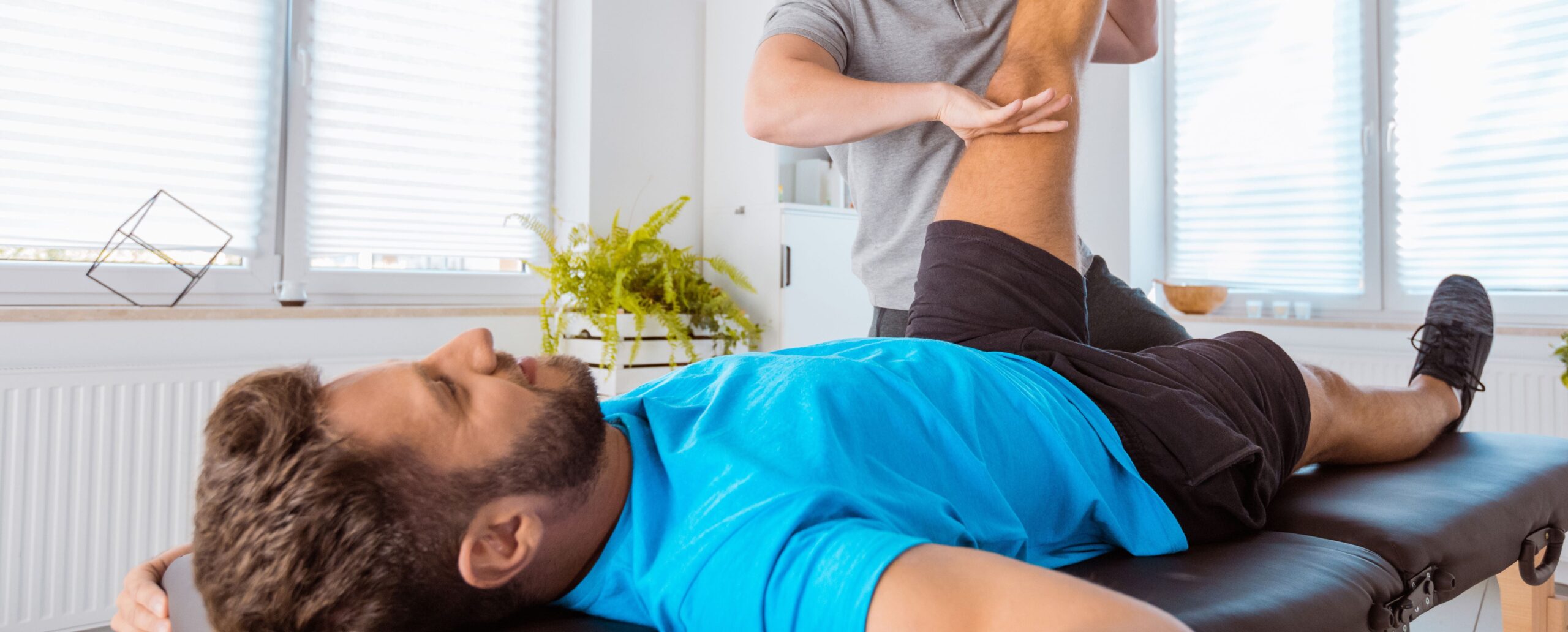
you make the best possible recovery in the quickest time

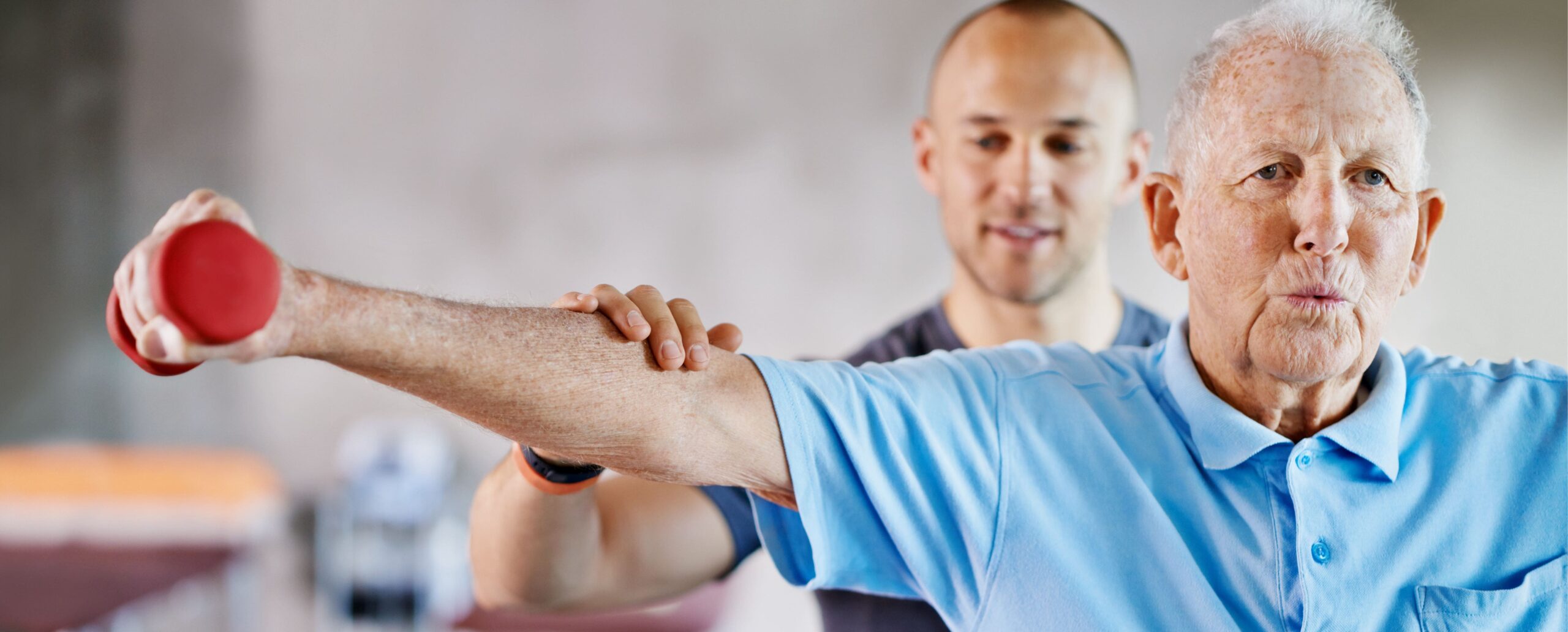
common conditions, helping you stay active, happy and safe

A full range of sports injuries
Dear clients.
We are returning to our Kippax Clinic.
From 9th February 2026 all appointments will be at
76 Hardwick Cres, Kippax.
All of our other details remain the same
 6254 9889
 kippax@tmphysio.com.au
 www.tmphysio.com.au
Our Deakin clinic continues to be open as normal. Our team looks forward to seeing you in the new rooms!
Thank you.
The TM team alv




How Much Exercise Do You Actually Need? A Simple, Realistic Guide
Somewhere between “do more exercise” and “don’t overdo it,” most people quietly land on doing nothing, mostly because the actual…

Why You Ache Two Days After a Workout: Understanding DOMS
If you have ever felt fine after a tough workout only to hobble down the stairs two mornings later, you…
Hamstring Strains in Sport: Grades, Recovery Times and Why They Keep Coming Back
If you have ever felt that sharp grab in the back of your thigh mid-sprint, you have met a hamstring…


Here is something quietly amazing: when you exercise regularly, your body grows brand new blood vessels and even builds extra mitochondria, the tiny power plants inside your cells.
Think of it like upgrading your body's electrical grid and adding more power stations at the same time. More mitochondria means more energy, better endurance and cells that work more efficiently. You are, quite literally, rebuilding yourself with every session.
Wild, isn't it? Drop a 🧠 in the comments if that just changed how you think about your next workout, and save this for your next motivat#BodyFacts##mitochondriat#physioi#ExerciseSciencei#physiotherapys#HumanBody#HumanBody

Calling all young athletes aged 13-15! 📣
Want to get stronger, faster and more confident for your next sporting season? Join TM Physio's 8-week Junior Athletic Performance Program and learn how to train like an athlete with physiotherapist Alex.
💪 Strength Training
🏃 Speed & Athletic Development
🎯 Small Group Coaching
✅ Safe, Age-Appropriate Training
Starts THURSDAY 29th OCTOBER for 8 weeks - details in the image
Only 8 spots available.
Register your interest today! Register forms.cloud.microsoft/r/PFyzd8D8EY or email caroline.ballard@tmphysio.com.au or call the clinic on 6254 9889
Magpies Junior Football Club Tigers FC NPL1 Ginninderra Rats Ginninderra Athletics United Hockey Club
Ever wondered why your muscles feel sore a day or two after exercise? Our latest blog explains Delayed Onset Muscle Soreness (DOMS), why it happens, what it means for your body, and when it might be a sign to seek advice. Understanding DOMS can help you stay active with confidence and keep progressing toward your health and fitness goals.
👉 Read the full article here:
www.tmphysio.com.au/why-you-ache-two-days-after-a-workout-understanding-doms/
#doms #recovery #exerciseright
Physical fitness is not only one of the most important keys to a healthy body, it is the basis of dynamic and creative intellectual activity. - John F. Kennedy
We love this one because it is a good reminder that movement is not just about muscles. Moving your body sharpens your mind too, lifting your mood, focus and energy along the way.
We can help you start. If this resonated, share it with someone who could use the nudge today.
#motivation #movementismedicine #physio #healthybody #physiotherapy #wellbeing
Rolled your ankle and now it feels like it could give way at any moment? You are not imagining it, and you are definitely not alone.
After a sprain, the ligaments and the little balance sensors around your ankle can take time to settle. Without some targeted work, the same ankle can roll again, which is how people end up in a frustrating cycle. The good news is that this is very manageable. Rebuilding strength, balance and confidence through progressive exercises can make a real difference for many people.
If your ankle keeps letting you down, our team would love to help you feel steady again. Book in with us at 6282 5898 (Deakin) or 6254 9889 (Kippax).
#anklesprain #balance #physio #InjuryRehab #physiotherapy #StaySteady
Today is World Spine Day, and it is the perfect excuse to give your back a little love. 🙌
Your spine is a remarkable structure: strong, flexible and designed to move. Yet many of us spend long hours sitting still, and backs tend to be happiest when they are moving often. Gentle, regular movement, whether it is a walk, a stretch or a few minutes away from the desk, can support a healthy spine over a lifetime.
What is one small way you will move your spine today? Share it below, and if back stiffness is holding you back, our team at TM Physio is here to help.
#WorldSpineDay #spinehealth #physio #movemore #physiotherapy #BackCare